The Vitamins in the Root of a Watermelon

The Vitamins in the Root of a Watermelon

Fruits and vegetables contain important natural antioxidants that help to keep your body functioning properly, according to Fruits & Veggies - More Matters. Consuming adequate amounts of certain fruits and vegetables, such as watermelon and its root, will allow you to meet your daily recommended amount to improve your immune system and help protect your body against disease. The root of the watermelon fruit contains powerful vitamins, minerals and antioxidants that assist in reducing the risk of coronary heart disease, stroke and some cancers. The fruit is also naturally low in calories, which helps to prevent obesity, diabetes and cardiovascular disease. Consult your health-care provider for complete information about the vitamins in watermelon root.

Vitamin C

The root of watermelon is rich in antioxidants including vitamin C, which may help to reduce the inflammation that causes asthma, atherosclerosis, diabetes, colon cancer and arthritis, according to the World's Healthiest Foods online. Watermelon root is a strong source of vitamin C, which travels through the body to neutralize free radicals that may cause damage. The vitamin C content is effective in decreasing the inflammation that often results in osteoarthritis and rheumatoid arthritis and contributes to joint damage. Vitamin C may effectively reduce the risk of heart disease, airway spasms from asthma, and colon cancer.

B Vitamins

In addition to containing high amounts of beneficial antioxidants including vitamin C, the root of the watermelon fruit is also rich in various B vitamins, according to the World's Healthiest Foods online. The B vitamins are necessary for energy production, and watermelon is especially high in vitamin B6 and vitamin B1. The vitamin B6 present in the root of watermelon also serves various benefits for the brain, as your body requires vitamin B6 to convert amino acid L-tryptophan into serotonin.

Vitamin A

Watermelon root is also rich in essential vitamin A, which provides the body with numerous health benefits. According to Onlinegardenertips.com, vitamin A is important in helping the eyes to see various shades of color. It also helps repair body cells and contributes to the formation of healthy bones and tissues. Ingesting watermelon root regularly is especially beneficial for people with vision problems, as the vitamin A is immediately delivered to your body due to the fruit's ability to instantly convert into energy.

Benefits of Dragon Fruit

Benefits of Dragon Fruit


The dragon fruit is a plant that is also called pitahaya or pitya fruit. It comes from a cactus called the dragon fruit cactus plant, which only blooms at night. This fruit typically grows in tropical, dry or subtropical environments, and is not widely grown in the United States. The fruit can be eaten fresh or dried, and both forms are full of nutrients and health benefits.

Fiber

According to NaturalFoodBenefits.com, dragon fruit is a good source of fiber, with nearly 1 g of fiber for every 100 g of fresh dragon fruit. When dragon fruit is dried, the fiber content rises even more, with 10 g of fiber or more found in 100 g of the dried fruit, depending on how much water the dried fruit has. Eating the skin of this fruit adds to the fiber content--just make sure the skin is free of mold and dirt.

Cholesterol and Fats

Dragon fruit has low amounts of cholesterol, and has minimal amounts of fats that raise cholesterol levels, states the Diabetic Life Diet website. The cholesterol in dragon fruit comes from the many seeds that are in the fruit, sometimes thousands of seeds in one piece of fruit. When you eat dragon fruit, the seeds are extremely small and diffused throughout the fruit, so it is impossible to remove all of the seeds prior to eating. These seeds add fat and protein to the fruit, but the majority of fat in the seeds is the good kinds of fat called monounsaturated fat.

Vitamins and Antioxidants

The dragon fruit is chock-full of vitamins, including vitamin C and antioxidants. The amount of vitamin C in each fruit can vary, depending on soil nutrients and differences in dragon fruit cacti, but the website Dragon Fruit Pitaya Fruit estimates that approximately 50 percent of your daily vitamin C requirement can be met by eating 100 g of dried dragon fruit or 1 kg of fresh dragon fruit. Other nutrients in dragon fruit include carotene, phosphorus and vitamins B1, B2 and B3, according to Agriculture Business Week. Antioxidants help destroy free radicals in the body, which are molecules that may cause cancer, cardiovascular issues and other health problems.

Effects on Diabetes

Dragon Fruit Pitaya Fruit notes that the fruit can help control glucose levels in some people with Type 2 diabetes. If you have diabetes, it is best to talk to your doctor about the possible health benefits of dragon fruit.

Nutritional Value of Dragon Fruit

Nutritional Value of Dragon Fruit

Overview

Dragon fruit is the common name for the fruit of several species of cactus. Members of the genus Hylocereus are the most common sources of dragon fruit, although this can vary by region. Dragon fruit has a mild flavor and is frequently eaten while chilled to enhance the flavor.

Serving Information

This nutritional information is based on the edible flesh of 1 dragon fruit. The average weight of a dragon fruit is about 3.6 oz. (100 g), although only 2 oz. of this actually edible. The serving information also includes the nutrition from the seeds. This assumes that you'll chew the seeds so that you can digest them.

Calories

A serving of dragon fruit has a total of 60 total calories. Fat provides 18 calories, protein accounts for 8 calories and carbohydrates make up the remaining 34 calories. A serving of dragon fruit contains 3 percent of the daily value (DV) for total calories, assuming the standard daily diet of 2,000 calories.

Carbohydrates

A serving of dragon fruit has 9g of carbohydrates, including 8g from simple sugars and 1g from dietary fiber. This provides 3 percent of the DV for total carbohydrates and 4 percent of the DV for fiber. Dragon fruit doesn't contain any complex carbohydrates.

Protein and Fat

A serving of dragon fruit contains 2g of protein, which is equal to 4 percent of the DV for protein. It also has a total of 2g of fat, which is all unsaturated fat. This provides 3 percent of the DV for fat. Dragon fruit doesn't contain any cholesterol, saturated fat or trans fat.

Vitamins and Minerals

A serving of dragon fruit has 60mg of sodium, which is equal to approximately 2.5 percent of the DV for sodium. It also contains 8 percent of the DV for iron. Dragon fruit doesn't have any potassium. Dragon fruit contains an average of about 9mg of vitamin C, which is 10 percent of the DV for vitamin C.

Nutritional Information of Dragon Fruit

Nutritional Information of Dragon Fruit

Overview

With a beautiful presentation, dragon fruit is catching the eye of fruit lovers. Native to Mexico, the nutritional benefits of dragon fruit are well known in Asia, Australia and in Central and South America. Dragon fruit, also known as pitaya, belongs to the cactus family and has three main types: the Hylocereus undatus is red-skinned with a white flesh, the Hylocereus polyrhizus is red-skinned with a red flesh, and the Selinecereus megalanthus has a yellow skin and a white flesh. Agriculture Business Week reports that the dragon fruit is rich in vitamins, minerals and important nutrients.


Fiber

Dragon fruit has 1 g of fiber per 100 g serving. Fiber provides health benefits such as lowering the risk of diabetes and heart disease. It also helps with weight management and in maintaining bowel integrity and health and is key to lowering blood cholesterol levels and controlling blood sugar levels.

Antioxidants

Dragon fruit is a rich source of antioxidants, which are important in fighting dangers from free radicals that occur naturally in the body. Free radicals damage cells and DNA and facilitate aging; they also facilitate development of a number of health conditions, such as heart disease and cancer. Antioxidants can neutralize free radicals and reduce some of the damage they cause. The two types of antioxidants are primary, those produced by the body, and secondary, those found in foods, such as the dragon fruit.

Vitamins

Dragon fruit contains several key vitamins. It has Vitamin C, which helps improve the immune system and aids in healing cuts and bruises. It also contains many B vitamins: Vitamin B1 produces energy and metabolizes carbohydrates; Vitamin B2 is needed for normal thyroid function and metabolism; Vitamin B3 decreases bad cholesterol and helps rejuvenate the skin. Dragon fruit also contains B-sitosterol, which helps to reduce high blood pressure or hypertension. There is 0.043 mg each of vitamins B1, B2 and B3 per 100 g serving of dragon fruit. Dragon fruit has 9 mg of Vitamin C per 100 g serving.

Protein and Carotene

Dragon fruit contains protein, which is important to every cell in the body. Hair and nails comprise mostly protein, and tissue requires protein for building and repair. In addition, protein makes enzymes, hormones, bones, muscles, cartilage, skin and blood. Protein is a macro-nutrient, meaning the body requires a large amount because the body does not store it. Each 100 g serving of dragon fruit has 0.229 g of protein. Carotene prevents cancer and heart disease, boosts immunity and supports good vision, as mentioned in the UC-Berkeley Wellness Newsletter. Carotene is found in deeply colored fruits, such as dragon fruit. A 100 g serving of dragon fruit has 0.012 mg of carotene.

Consumption

A soft rind indicates a properly harvested fruit, yielding the best taste and texture. The dragon fruit has 65 calories per serving. It is best to eat cold or at room temperature. Similar to the papaya, the dragon fruit is slit down the middle and the flesh is scooped out. The empty rinds can be fashioned into a bowl. Eat the seeds and flesh, not the rind.

Vitamins in Dragon Fruit

Vitamins in Dragon Fruit


Dragon fruit is the fruit of a cactus, and has an interesting look to it. There are several varieties, including white, red, purple and yellow fruits. Dragon fruit is also known as thang loy, strawberry pear, pitaya roja and la pitahaya rouge. The fruit's skin is not eaten, so dragon fruit is cut open or sliced to scoop out the fruit. Dragon fruit contains a number of vitamins, making it a healthy food.

Vitamin A

According to Agriculture Business Week, dragon fruit contains vitamin A, which has multiple benefits. Dragon fruit is associated with aiding the memory, thanks to its vitamin A content. The vitamin A in dragon fruit is in the form of carotene. A piece of the fruit contains approximately 0.012 g of vitamin A.

Vitamin C

Dragon fruit also has vitamin C, in the form of ascorbic acid, says the USDA and Agriculture Business Week. The vitamin C in dragon fruit may help strengthen immune functions and encourage skin to heal. One piece of this fruit has about 9.0 mg of vitamin C.

B Vitamins

Dragon fruit has a number of B vitamins, including B1 or thiamine, vitamin B2 or riboflavin, and vitamin B3 or niacin, according to Agriculture Business Week. The B vitamins in dragon fruit help provide health benefits such as moisturizing the skin; lowering LDL, or "bad," cholesterol levels; breaking down carbohydrates to create energy for the body; and increasing appetite. The fruit has about 0.045 mg of vitamin B2, about 0.430 mg of vitamin B3 and small amounts of vitamin B1.

Minerals

Dragon fruit contains some healthy minerals, along with the vitamins. According to Agriculture Business Week, dragon fruit includes about 8.8 g of calcium, 36.1 mg of phosphorus and 0.65 mg of iron. The USDA adds potassium to dragon fruit's list of minerals, and Dr. Abhay Kumar Pati, on the website PR Log, says dragon fruit also contains chromium and magnesium.

What Types of Vitamins Are in Fruit?

What Types of Vitamins Are in Fruit?

Portable, naturally sweet and nutritious, fruits make an ideal snack. Fruits are rich in soluble fiber, which supports heart health, and insoluble fiber, which aids in digestion. But the most healthful aspect of fruits may be their high vitamin content. Fruits contain most of the vitamins essential to your body's health and proper function.

Vitamin C

Vitamin C helps form, grow and repair your bones, skin and connective tissue, and promotes the function of your nervous system and blood cells. Vitamin C is an antioxidant. Antioxidants neutralize free radicals, which have damaging effects on your cells. Fruits that contain vitamin C include strawberries--which have a higher amount per calorie than any other fruit--persimmon, citrus fruits, papaya, kiwi and pineapple.

Vitamin K

Vitamin K helps your blood clot and regulates blood calcium levels. Apricots, avocado, blackberries, blueberries, boysenberries, Chinese pears, cranberries, grapes, kiwi, loganberries, mango, mulberries, pears, plums and pomegranate have high levels of vitamin K.

Folates

Folates, or B9 vitamins, are essential for the production of red blood cells and for the nervous system. They help synthesize DNA, and are essential for the formation of an unborn baby's nervous system. Good fruit sources of folates include avocado, boysenberries, dates, guava, mango, oranges, papaya, passionfruit, pineapple, pomegranate, raspberries and strawberries.

Niacin

Niacin, or vitamin B3, helps your body metabolize fats and carbohydrates, and supports the function of your nervous system, digestive system and skin. Fruits that contain high amounts of niacin include avocado, boysenberries, breadfruit, cherimoya, dates, guava, loganberries, lychees, mango, nectarines, passionfruit and peaches.

Riboflavin

Riboflavin, or vitamin B2, keeps your mucous membranes healthy, helps your body metabolize carbohydrates and amino acids--the building blocks of protein--and supports reproduction. Avocado, cherimoya, mulberries and passionfruit are excellent sources of riboflavin. Other fruits high in riboflavin include bananas, dates, grapes, lychees, mango, pomegranate and prickly pears.

Pantothenic Acid

Like most other B vitamins, pantothenic acid, or vitamin B5, supports your metabolism. It helps your body form the good kind of cholesterol, as well as certain hormones. Avocados are high in pantothenic acid, as are pomegranates, guavas and dates. Black currants, gooseberries, grapefruit, raspberries, starfruit and watermelon also contain moderately high amounts.

Vitamin B6

Vitamin B6 helps your body metabolize amino and fatty acids. It is an essential component in the creation of red blood cells and antibodies, and helps support normal nerve function. Vitamin B6 aids the chemical reactions of proteins in your body. The more protein you eat, the more vitamin B6 you need. Avocado, bananas, cherimoya and mango have high B6 levels. Vitamin B6 can also be found in dates, grapes, guava, lychees, passionfruit, pineapple, pomegranate and watermelon.

Vitamin E

Vitamin E keeps your blood from clotting, and helps your body form red blood cells. Like vitamin C, vitamin E is an antioxidant. Blueberries are high in vitamin E, as are mango and avocado. Black currants, boysenberries, cranberries, guava, kiwi, loganberries, mulberries, nectarines, papaya, peaches, pomegranate and raspberries also have significant vitamin E levels.

Vitamins in Jack Fruit

Vitamins in Jack Fruit


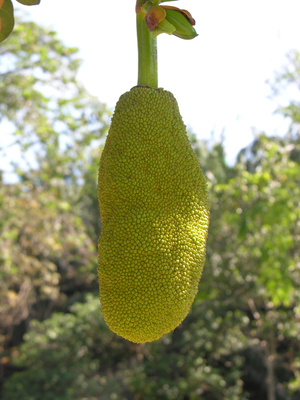
Jackfruit, cultivated in China, India, Africa and the Philippines, grows in semi-tropical and tropical climates. Whether you are a southern gardener with a jackfruit tree or have access to the fruit in your supermarket, consider adding more of the nutrient-rich fruit to your diet. The pulp can be cooked for a vegetable-like side dish, while the large seeds are comparable to chestnuts. One cup of the pulp is equal to a serving of 165 grams.

Vitamin A

One serving of jackfruit pulp contributes about 10 percent of the recommended daily amount of vitamin A. Vitamin A is crucial to eyesight, proper cell production and fetal development in pregnant women. The nutrient, also known as retinol, helps boost immunity and keeps skin and bones healthy. According to the University of Maryland Medical Center (UMMC), other foods considered high in vitamin A include orange and yellow vegetables, dark green vegetables, and animal products like liver, eggs and milk.

Vitamin C

A cup of jackfruit will provide you with about 18 percent of your daily vitamin C needs. Ascorbic acid, also known as vitamin C, provides the body with antioxidant protection. Researchers link antioxidants with protecting the body from aging and from diseases, including cancer and heart disease. Vitamin C also helps to build collagen, which strengthens bones and keeps skin healthy and more youthful-looking. UMMC recommends smokers take in extra amounts of vitamin C--about 35 mg more than the normal recommended amount--because smoking robs the body of the nutrient. Other foods containing the vitamin include citrus fruits and juices, green peppers, strawberries and broccoli.

Vitamin B1

Vitamin B1, also known as thiamine, boosts the immune system and helps people control their stress levels, according to UMMC. B vitamins, as a group, help the body convert food into energy. Studies indicate that vitamin B1 may also help fight cataracts, beriberi and dementia. Jackfruit pulp contributes about .05 mg of the nutrient per serving. Recommended daily intakes range from .5 mg for children to 1.5 for breastfeeding women, notes UMMC. According to Purdue University, the fresh seeds are "good sources of vitamins B1 and B2." Pork and organ meats are high in B1, as are molasses, brewer's yeast and fortified cereals.

Vitamin B3

Vitamin B3, or niacin, also helps to turn food into energy. B3 works to lower cholesterol, to promote healthy circulation and to keep the body's hormones working properly, especially those related to sex and stress. Jackfruit pulp yields about .66 mg niacin per serving. Recommended daily amounts range from 6 mg for young children to 17-18 mg for pregnant and nursing females. Other foods high in niacin include beets, organ meats, seafood, sunflower seeds and brewer's yeast.

Apple


APPLES - The native home of the apple is not definitely known, but the tree originated probably in the area between the Caspian and the Black seas. Charred remains of apples have been found in the prehistoric lake dwellings of Switzerland. Evidence shows that man has been enjoying apples for at least 750,000 years! Apples were a favorite fruit of the ancient Greeks and Romans.

Nutritional Facts:

· High in fiber
· High in vitamin C and potassium
· Low in Sodium
· Almost fat-free

Lemon


It has been the first citrus fruit known in the Mediterranean world. Depictions of citrus trees appear in Roman mosaics of North Africa The origin of the name because of high measument of Vitamin C and other vitamins, it consider as medical fruit.

Nutritional facts:

- High amount of Vitamin C

- Practically calorie-free
- Tiny amounts of sodium
- Fat is low

Benefits of Papaya Fruit

Papaya fruit contains many kinds of enzymes, vitamins and minerals. Vitamin A was more than carrots, vitamin C was higher than oranges. Also rich with vitamin B complex & vitamin E.

papaya
Two
Contains papaya enzyme papain. This enzyme is very active and have the ability to accelerate the process of protein digestion. Digesting protein is the major problem faced by many people are in your diet everyday. Body has limitations in protein mencerba expenditure due to lack of hydrochloric acid in the stomach.
Three
Protein content in papaya fruits are not too high, only 4-6 grams per kilogram weight of fruit. But this little julah almost entirely be digested and absorbed by the body. This caused the enzyme papain in papaya substances capable of digesting 35 times larger than its own. Digestive power of this protein to remind us to more carefully select the food, that food that contains high protein tenti not be beneficial to the body. What matters is whether or not easily absorbed by the body's proteins.

Four
Papain can split into arginine proteins. Arginine compound is one of the essential amino acids in normal conditions can not be used to produce the body and obtained through foods such as egg and yeast. But when the enzyme papain pencerbaan involved in the process of protein, naturally some proteins can be converted into arginine. The process of formation of this arginine with papain also influence the production of human growth hormone is commonly known as human growth hormone (HSG), because arginine is one of the mandatory full in the formation of HGH. Well, this HGH helps increase muscle health and reduce fat accumulation in the body. Other important information, laboratory tests showed functional arginine inhibits cell growth of breast cancer.

Five
Papain can also break down food that contains protein to form various compounds are amino acids or automatically remove autointoxicating formation of unwanted substances due to incomplete digestion. High blood pressure, constipation, arthritis, epilepsy and diabetes are diseases that arise due to ingestion of food that is not perfect. Papain is not always able to prevent it, but at least can minimize the negative effects that arise. Clear papain can help make the process pencenaan better food.

Six
Papain helps arrangement of amino acids and helps remove body toxins. In this way the immune system can be improved.

Seven
Papaya can also speed up the digestion of carbohydrates and fats. Papain enzyme capable of breaking the fibers of the meat, so meat is more easily digested. No wonder when the papaya is often used as meat tenderizer materials, particularly for the manufacture of cooking kebabs or stews.

Eight
Papaya has antiseptic properties and helps prevent the proliferation of harmful bacteria in the gut. Papaya helps normalize intestinal pH of the intestinal flora, so the situation becomes normal.

Nine
Papain formed in all parts of the fruit, good skin, pulp, and seeds. So papaya should be fully utilized. In fact, for those who experience digestive problems, are advised to eat fruit and papaya seeds.
benefit papaya
Ten
Fruit that is still half baked mengkal or contain higher nutrients than cooked fruit. But women who want to have children or are pregnant are prohibited to consume, because the raw fruit and mengkal have the effect of abortion. Because of this effect, in various countries such as Papua New Guinea and Peru, papaya is used as a means of contraception. Suggestions for pregnant women, if you want to get the benefits papaya, eat the ripe fruit only.
If you need more information about this pembahasa, please click on ads much new knowledge can be found and can be useful for your life.

Understanding Fruit Vitamins

fruit vitamins

Fruit Vitamins

Vitamins are one element of an important nutrient in fruits in which these vitamins have many health benefits to the human body and made an of the body become more healthy and fresh because the fruit vitamins will help to boost the immune system that protect it from various kinds of diseases and also helpful for other bodies such as the very good to expedite the digestive system, make skin and hair more healthy, as anti-aging, etc.

In consuming the fruits should be doing variations due to different fruits also contain different minerals and vitamins as well, and the human body also requires a number of different minerals and vitamins so that his body could work well, and because it is recommended to consume various healthy foods such as vegetables and fruits each day on a regular basis that contain fruit vitamins and minerals that are different as well to meet the needs of the human body.

Types of Vitamins that the most common vitamin in fruit is vitamin A, B, and C where the type of fruit that contain these vitamins can easily be found in the market e.g. vitamin A can be found in mangoes, melons and watermelons fruit, vitamin B can also be found on the fruit- banana, kiwi, and blackberries, and there are a lot of Vitamin C in apples, orange, guava, strawberry and star fruit.

To obtain maximum results of fruit vitamin and mineral, it is good if eat the fruit in the fresh condition not in the other form such cook, or boil because cooking or boiling fruit before eat, it can cause vitamin and mineral in the nature of fruit can be reduced, and be sure also to consume fresh fruits that do not contain pesticides, especially for fruits can be eaten directly with skin like an apple, and pear fruit so that the body is not contaminated with pesticides, and your body get benefit of fruits vitamins and minerals optimally.

Privacy Policy

Privacy Policy for http://fruitvitamins.blogspot.com/

If you require any more information or have any questions about our privacy policy, please feel free to contact us by email at nraini8@gmail.com.

At http://fruitvitamins.blogspot.com/, the privacy of our visitors is of extreme importance to us. This privacy policy document outlines the types of personal information is received and collected by http://fruitvitamins.blogspot.com/ and how it is used.

Log Files
Like many other Web sites, http://fruitvitamins.blogspot.com/ makes use of log files. The information inside the log files includes internet protocol ( IP ) addresses, type of browser, Internet Service Provider ( ISP ), date/time stamp, referring/exit pages, and number of clicks to analyze trends, administer the site, track user’s movement around the site, and gather demographic information. IP addresses, and other such information are not linked to any information that is personally identifiable.

Cookies and Web Beacons
http://fruitvitamins.blogspot.com/ does use cookies to store information about visitors preferences, record user-specific information on which pages the user access or visit, customize Web page content based on visitors browser type or other information that the visitor sends via their browser.

DoubleClick DART Cookie
.:: Google, as a third party vendor, uses cookies to serve ads on http://fruitvitamins.blogspot.com/.
.:: Google's use of the DART cookie enables it to serve ads to users based on their visit to http://fruitvitamins.blogspot.com/ and other sites on the Internet.
.:: Users may opt out of the use of the DART cookie by visiting the Google ad and content network privacy policy at the following URL - http://www.google.com/privacy_ads.html

Some of our advertising partners may use cookies and web beacons on our site. Our advertising partners include ....
Google Adsense


These third-party ad servers or ad networks use technology to the advertisements and links that appear on http://fruitvitamins.blogspot.com/ send directly to your browsers. They automatically receive your IP address when this occurs. Other technologies ( such as cookies, JavaScript, or Web Beacons ) may also be used by the third-party ad networks to measure the effectiveness of their advertisements and / or to personalize the advertising content that you see.

http://fruitvitamins.blogspot.com/ has no access to or control over these cookies that are used by third-party advertisers.

You should consult the respective privacy policies of these third-party ad servers for more detailed information on their practices as well as for instructions about how to opt-out of certain practices. http://fruitvitamins.blogspot.com/'s privacy policy does not apply to, and we cannot control the activities of, such other advertisers or web sites.

If you wish to disable cookies, you may do so through your individual browser options. More detailed information about cookie management with specific web browsers can be found at the browsers' respective websites.

Fertility Vitamins

There are many couples today who are seeking an alternative treatment to traditional medicine when it comes to conceiving. This may be that they have been down that path and haven’t had any success, or it may be that they prefer more natural methods rather than drug induced ones. Whatever the case, Fertility Vitamins can help many couples conceive and if need be, can be used in conjunction with the more traditional methods of IVF and so on. Of course, with any treatment, it is always wise to speak to a health professional, so you are doing what is right for your body.

Fertility VitaminsMany studies today, however, recommend healing and nurturing your body with vitamins, herbs, acupuncture and so on. They are often inexpensive and not as invasive as the traditional methods. Fertility Vitamins, along with Fertility Herbs, can significantly increase a couple’s chances of falling pregnant.

There are so many factors that affect the ability to conceive, that sometimes it is difficult for a couple to even find out why they are infertile. Fertility Vitamins and herbs are an increasingly popular way of taking some of the guesswork out of “why” a couple can’t have a baby. Couple are trying these methods and having outstanding results.

Below is some useful information regarding Fertility Vitamins and how the lack of them can affect fertility. This can be the case for men as well as women.

Vitamin C – For men, taking regular doses of Vit C can help prevent agglutination (when sperm stick together and in turn reduce fertility) and other abnormalities (sometimes caused by pollution such as chemicals.) For women, this powerful antioxidant helps to protect cells and has the added bonus of strengthening the immune system.

Vitamin E – this is essential for keeping men and Women Infertility at bay. It is a potent antioxidant and a lack of this vitamin can inhibit the formation of sperm in a male. Fertility can increase when Vit E is taken by a male as sperm motility improves and sperm cell membranes can be protected. Vitamin E can also increase egg quality in a female.

Selenium – this acts to help prevent oxidation of the male’s sperm cell, so a lack of selenium could well contribute to male infertility. Selenium can prevent chromosome breakage, which is known to be the cause of some miscarriages and birth defects.

Zinc – this is essential for male fertility as it is involved in the activation of key sperm enzymes. When males are low in zinc, they also have lower testosterone and in turns produce less healthy sperm. For females, low levels of zinc have been linked to miscarriages. In severe cases, a woman’s menstrual cycle can actually stop (and naturally a woman without a cycle cannot conceive)

Iron – Women usually have to take iron supplements if they are deficient as low levels can affect fertility. Iron deficiency can cause problems with the thyroid hormone levels which in turn is linked to miscarriages and inability to fall pregnant. Women can lose iron through childbirth, periods or blood loss. It is worth every woman getting her levels checked. Some women can in fact be too high in iron as well.

Vitamin B – this important vitamin (especially B6 and B12) needs to be replenished all the time, as it a water soluble and is passed out of the body with urination. Vitamin B6 and B12 are particularly important for fertility and hormonal function. Vitamin B12 improves low sperm count.

Vitamin A – this antioxidant is essential at conception and throughout pregnancy. It can also improve sperm production. Eating plenty of raw vegetables such as carrots, tomatoes, cabbage, broccoli and spinach, is the best way to ingest Vitamin A. There has been controversy surrounding the amount of Vitamin A to take and from what source. Don’t take high doses and if possible, take them in a non animal form. Beta-carotene, which is a vegetable form of Vitamin A does not pose any risks.

Co-enzyme Q10 – may improve egg quality in women and sperm counts in men.

L-Arginine - this amino acid has been shown to increase fertility in women (especially those who had failed IVF treatments) and dramatically increases sperm counts in men.

EFA (Essential fatty Acids) can help the reproductive system.

All of these Fertility Vitamins can greatly increase your chances of Trying to Get Pregnant. There are a range of products having a fertility blend of vitamins specifically for wome. Fertility blends to enhance male fertility are also available.

Taking Fertility suppliments to increase fertility in men and womenOf course there are so many factors affecting fertility, and stress is another one. Stress can lead to depression, reduction in sexual desire, improper functioning of the reproductive systems in males and females and a host of other complaints. Fertility Vitamins can help to relax the nervous system, balance the hormones (thus increasing sex drive) and provide proper nourishment for the uterus in the woman.

Fertility Vitamins have beneficial effects on both female and male fertility, and are effective in balancing hormones and improving overall health. Unfortunately in this day and age, most people’s diets are less than adequate and this does affect fertility. Fertility Vitamins and herbs can increase a couple’s chance to conceive, bring a pregnancy to full term and help a couple achieve their dream of having a healthy baby.

As with any remedies, it is still good to check with a doctor or natural therapist when consuming a variety of vitamins. To see what great ranges of Fertility Vitamins and Herbs are available, click on Fertility Health Products. Choose fertility supplements that will suit your needs or that of your partner and increase your fertility health today.
Kiwi Fruit

Kiwi Fruit

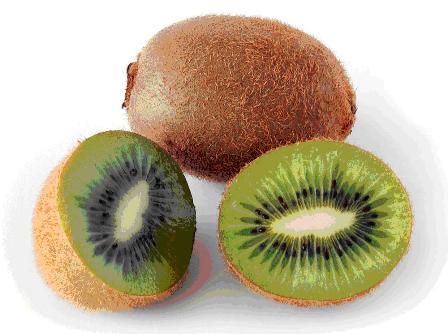
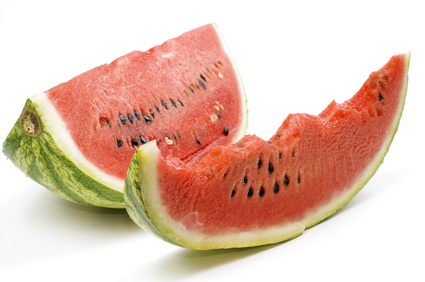
Kiwi fruit can and should be eaten whole. The skin increases tartness and offers additional vitamins, minerals and fiber. If you desire something less tart; cut the kiwi in half and eat as you would a passion fruit scooping out the flesh; or peel and slice it like a pineapple.

Vitamins, Minerals and Phytochemical Components

Talk about a fruit packing a punch in taste and vitamins. Kiwi fruit is a rich source of vitamin C and is high in potassium. By comparison it’s content is less than a banana’s, but you’d eat more anyway. It also contains vitamins A and E. The skin is a good source of flavonoid antioxidants as well. Didn’t I say to eat the skin?

The kiwi fruit seed oil contains on average 62% alpha-linolenic acid, an omega-3 fatty acid. More than 90% of the fruit is made up of water, so it only has 90 calories per serving. A 5-oz. serving of kiwifruit averages over 450 mg of potassium, beating out the banana and the orange.

It also has about 230% of the RDA for vitamin C and has approximately 10% of the RDA for folic acid and vitamin E.

Pain Makes Sexual Discriminations

Pain

There is a common prejudice that women complain more when they are in pain, compared to men.

Medical polls have shown that, in fact, they do complain more, but at the same time they attend the doctor’s office more frequently.

Studies have shown it is not just a psychological issue. Not only do men and women feel pain differently, but their brains also respond differently to painkillers. For example, morphine works better on men than on women.

A study realized at the University of Atlanta on patients suffering of chronic pain has discovered that men react to it by activating a circuit that connects the middle region of the brain (also known as periaqueductal grey substance) to the rostroventromedial medulla.

In the case of women this type of connection is less active, despite the fact that the ties between the grey substance and the medulla are much more numerous.

Generally speaking, there are more women in pain than men. There are even illnesses that, because of the large number of women affected, have become mostly feminine, such as migraines and fibromyalgia.

Still, studies cannot give strict causes for this phenomenon; elements that influence the perception of pain, apart from sex, can also be the genetic structure of the individual and even psychological factors.

Top Fruits For Vitamin C Content

When most people are under the weather, they reach for NeoCitran or their trusty Vitamin C tablets and echinicia. There are a number of reasons not to use Vitamin C products because of the possible damage they can do to your health; what was once considered to be the norm may well be contributing to the problem. Darlene and I choose the practice of reducing our food intake and increase Vitamin C through fresh fruits in addition to our staple Sunrider Vitafruit. This way we reduce the load on our digestive systems and increase Vitamin C through food. Today happens to be one of those days, so I thought I’d do a little research about vitamin C containing fruit.

Without doing the research and simply going from memory, I’d have to guess Oranges and Kiwi as being the highest.

Here’s what I found out. According to Dr Sears,
vitamin c fruits

Top 7 Fruits For Vitamin C Content

  1. Guava, 1 medium, 165 mg
  2. Papaya, 1 cup, 87 mg
  3. Strawberries, 1 cup, 84 mg
  4. Kiwi, 1 medium, 74 mg
  5. Cantaloupe, 1 cup, 68 mg
  6. Orange, 1 medium, 75 mg
  7. Grapefruit, half, 42 mg

My Oranges and Kiwi come in at number 4 and 6. Why I didn’t think of grapefruit I don’t know. Guava happens to be the fruit that is highest in Vitamin C.

Which Fruit Is Highest In Vitamin C?

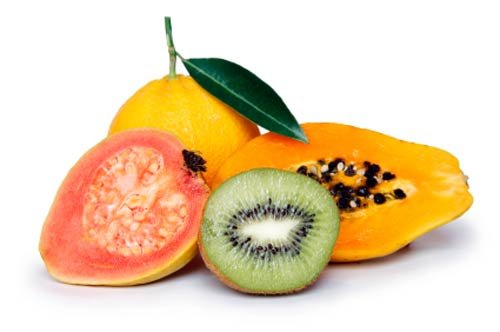
The fruit highest in Vitamin C, Guava, is native to Mexico, the Caribbean and Central America. 100 grams of Guava contains 228 mg of Vitamin C where one fruit contains about 128 mg. In the picture above, Guava is the pink fruit on the left. The whole fruit is edible, but the seeds can be a pain in the ass. The rind can be sour but has the most amount of Vitamin C (said to have 5 times as much as an orange) – good reason to put it all into your green smoothie and make use of it all.

So there you have it. If you’re looking to find the fruit highest in vitamin C or the top Vitamin C containing fruits, look no further than your basic Guava, Papaya, Strawberries, Kiwi, Cantaloupe, Orange and Grapefruit. Eat them raw, eat them alone on an empty stomach and give them 30 to 45 minutes to pass through your stomach where they’ll deliver all their nutrient rich goodness.

Foods That Prevent Cancer

Fruit Salad - A Great Source of Vitamins

Cancer, one of the world’s most terrific diseases – it can affect any part of the human body, it can affect anyone, regardless of their age…There is no way to completely eradicate it, but there are ways to prevent it from happening.

The most pleasant way to prevent cancer is probably eating; good food can not only keep you full of energy, it can also keep you alive and healthy for a longer time. Researchers specialized in nutrition are always on the look for such foods. The latest they have discovered include curry, fish, citrus zest, white tea, whey, berry, nuts, sesame oil, etc.

Curry (rich in turmeric) is believed to reduce the inflammation effect of an ulcer-causing bacterium, called H. pylori, which can also cause colon and gastric cancer.

Fish, so rich in vitamins A and D and in Omega-3, helps men prevent prostate cancer and those who eat it more than three times a week have 40% less chances to get ill.

Citrus zest, consumed regularly, reduces the risk of squamous-cell skin cancer by a third, and animal studies suggest that this aliment could even fight the existing tumours and shrink them.

Three cups of white tea a day help you prevent colon cancer and even block the growth of the colon-polyp as efficiently as an anti-inflammatory drug. Besides, there are no side effects to drinking tea, other than visiting the bathroom a bit more often.

Whey protein is the perfect weapon to fight prostate cancer. It is a great source of amino acid cysteine, and one of the best foods to find it in is yogurt, especially the clear part of it.

Berries seem to be the new miracle-aliment of cancer prevention. They contain several tumour- blocking elements and can prevent colon and prostate cancer, as well as head and neck tumours. To get the necessary daily quota, drink cranberry juice with high juice percentage and eat cookies with dried cranberries.

Finally, nuts and sesame oil are essential in cancer prevention due to the large quantities of gamma tocopherol – a form of vitamin E – which helps in fighting prostate and lung cancer. This vitamin is not dangerous for the body and it has been proven that it can even kill harmful cells without affecting the healthy ones in the process.

So….all those of you who want to lead a better life…..dig in……but only eat the foods that make you stay healthy, not the ones who do the opposite!